
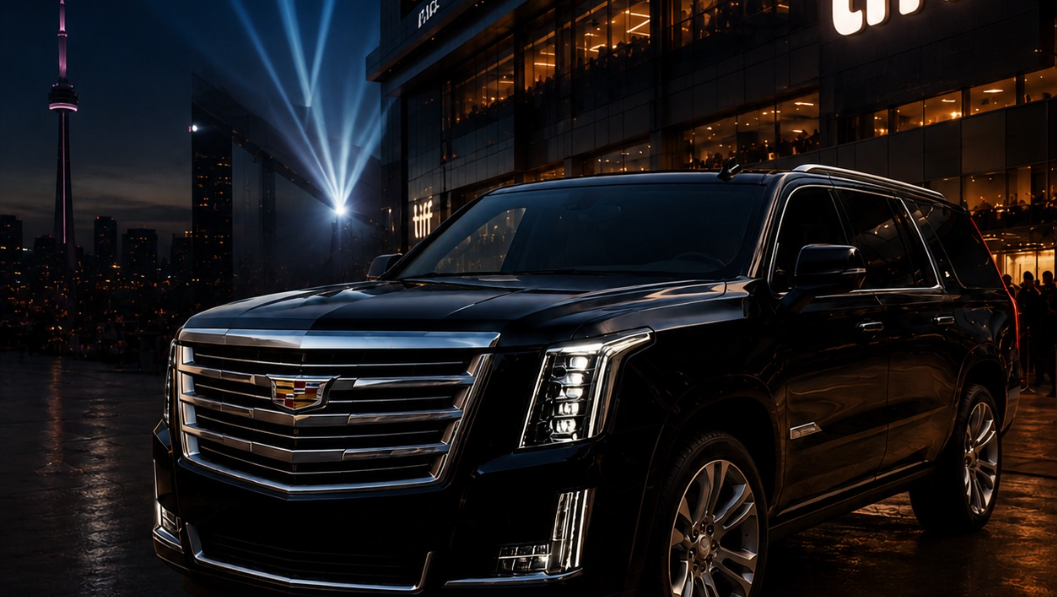
Getting Around Downtown Is Half the Battle
Ever tried flagging down a rideshare on King Street during TIFF week? Good luck with that one. Between the red carpet closures, media vans parked three deep outside every venue, and valet lines wrapping halfway around the block, just getting near the festival grounds can eat two hours if you haven’t planned for it. That’s why so many people book a affordable black-car service toronto drivers already know how to work around, and honestly, they book it months out, not the week before. I watched a friend miss an entire premiere last year over this. Rideshare cancelled on her. Twice. Same night. So this is really just me explaining why that gamble isn’t worth it in 2026, and what actually holds up once downtown turns into one long security checkpoint for ten days straight.
TIFF Traffic Doesn’t Play by Normal Rules
Downtown Toronto changes shape once TIFF starts. If you haven’t been through it, it’s hard to describe how fast things move. Roads near TIFF Bell Lightbox and the Entertainment District close with barely any notice. Security checkpoints just appear overnight near gala venues, like they were never not there. Rideshare surge pricing? Can triple, sometimes quadruple, right when three theatres let out at the same time. Anyone who’s actually dealt with the city’s event restrictions knows King-Spadina turns into a mess, and the access changes hour by hour depending on whatever gala’s happening that night. A black car service toronto locals trust already has the detour routes memorized knows which drop-off zones still work, which streets to skip entirely once things get going. That kind of knowledge is worth a lot more than people think, right up until they’re sitting in gridlock three blocks from a screening they’re already late for.
Give Yourself More Time Than Feels Necessary
Here’s the one thing I’d tell anyone booking a car for TIFF give yourself way more time than feels reasonable. I’ve watched people book a pickup for the exact minute their screening starts, forgetting that a normally five-minute drive turns into forty-five once you add closures, crowds, and some celebrity’s entrance blocking half the street. Drivers who work festival season know this already, they build the buffer in without being asked. That right there is probably the biggest argument for a dedicated chauffeur service Toronto companies have spent years building a name around, instead of just hoping some random rideshare driver shows up on time.
What You’re Actually Paying For
Black car service isn’t really about looking sharp pulling up somewhere, though yeah, that’s a nice side effect when you’re dressed up for a premiere. What actually matters is more boring than that, in a good way. Your rate’s locked the second you book no surge pricing ambush when three screenings let out at once and demand spikes across downtown. You get one driver, assigned to you, not some stranger three minutes away who bails the moment a higher fare shows up on their screen. And these drivers tend to actually know what they’re doing trained for barricades, sudden reroutes, all the chaos that comes with a high-security event, without losing their composure over it. Since festival screenings never run on schedule anyway, a decent provider just adjusts your pickup without nickel-and-diming you over fifteen extra minutes. I’ve had readers tell me they switched to a Toronto chauffeur for good after getting stuck outside a rideshare that “couldn’t find” the pickup spot mid-closure. Not exactly rare, that story. Happens pretty much every year, like clockwork.
Picking the Right Provider
Not every luxury chauffeur service Toronto company can actually handle something this chaotic, so a little homework goes a long way. Ask straight up whether they’ve done TIFF drop-offs before someone who has knows which entrances actually get you close without security waving you off somewhere else entirely. Worth checking their fleet too. A decent limo car service shouldn’t have just one vehicle type. Sedans are fine solo, or for two people grabbing dinner before a screening, but SUVs make way more sense once you’re hauling garment bags and gift bags for a group. And if there’s an afterparty on the calendar, having a stretch option available doesn’t hurt, even if you only use it the one night.
Communication Makes or Breaks the Night
This part gets overlooked constantly, but it matters just as much as the car itself. You want a driver or at least a dispatch team who texts the second a closure shifts your pickup spot. Not someone who leaves you standing on a corner wondering if you got ghosted. Matters even more on the busiest nights, when the drivers themselves are getting live updates about which streets just shut down.
Mistakes Worth Avoiding
A few mistakes show up every single year, and most of them are avoidable if you plan even a little. Booking too late is the big one. Good cars, good drivers they get snapped up weeks ahead, sometimes earlier if a premiere’s already generating buzz. Another one that catches people off guard: assuming any hotel address works as a pickup point. Some entrances get shut to vehicles entirely during high-security screenings, which means a last-minute scramble while your driver’s circling the block trying to find you. And skipping that confirmation call the night before? That’s the mistake that costs people the one night that actually mattered their premiere, their gala, whatever it was they’d been counting down to.
Is It Actually Worth the Cost?
For a handful of nights a year yeah, honestly, I think so. Put a flat, pre-booked rate up against surge-priced rideshare during the festival’s busiest stretch, and the numbers land closer than most people assume. Sometimes the black car wins outright once you factor in all the wasted time and stress that comes with the alternative. But it’s not really about dollars anyway. It’s knowing your ride shows up when it’s supposed to, instead of refreshing an app all night watching your pickup estimate creep further away.
Final Thought
Whether it’s three screenings back to back in one day, or one big gala you’ve built your whole trip around, having transportation figured out ahead of time means you’re actually watching the festival not staring at a map app trying to figure out where your car went. If you’re putting your TIFF 2026 schedule together right now, this is the one piece worth locking down first, before you even settle on which screenings you’re going to. Get that sorted, and the rest of festival week gets a lot easier. Trust me on that.
Book your TIFF 2026 ride now before the good slots disappear.
FAQ
How far in advance should I book a black car service for TIFF?
Three to four weeks out, minimum. Good drivers and vehicles get taken early, especially around opening weekend or the bigger galas.
Is a black car service actually cheaper than rideshare during the festival?
Not always, upfront. But once surge pricing hits during peak hours, a flat pre-booked rate usually comes out even, sometimes cheaper, and there’s no guessing involved.
Can a chauffeur get closer to the red carpet than a regular rideshare drop-off?
Usually, yeah. Established companies tend to know which entrances and drop-off zones stay open during high-security events something a random rideshare driver just won’t know.
What kind of vehicle should I book for a group with luggage or gift bags?
SUV, pretty much every time. Sedans work fine solo or for two, but once bags and extra people are involved, the extra room matters.
What happens if my screening runs late and pushes my pickup time?
A good provider just adjusts, no extra charge, as long as you give them a heads-up. Honestly one of the main reasons people ditch rideshare during TIFF in the first place.
